How to Choose a Portable Power Station Supplier for a New Brand

Short answer: choose a portable power station supplier on five things you can verify, not on what it claims — what the factory makes in-house, which documents it can hand over the same day, who owns the BMS and the firmware, what actually drives its minimum order and tooling, and how it handles returns. A supplier that is vague on any of those will be vague in production too.
Start with what the factory makes itself
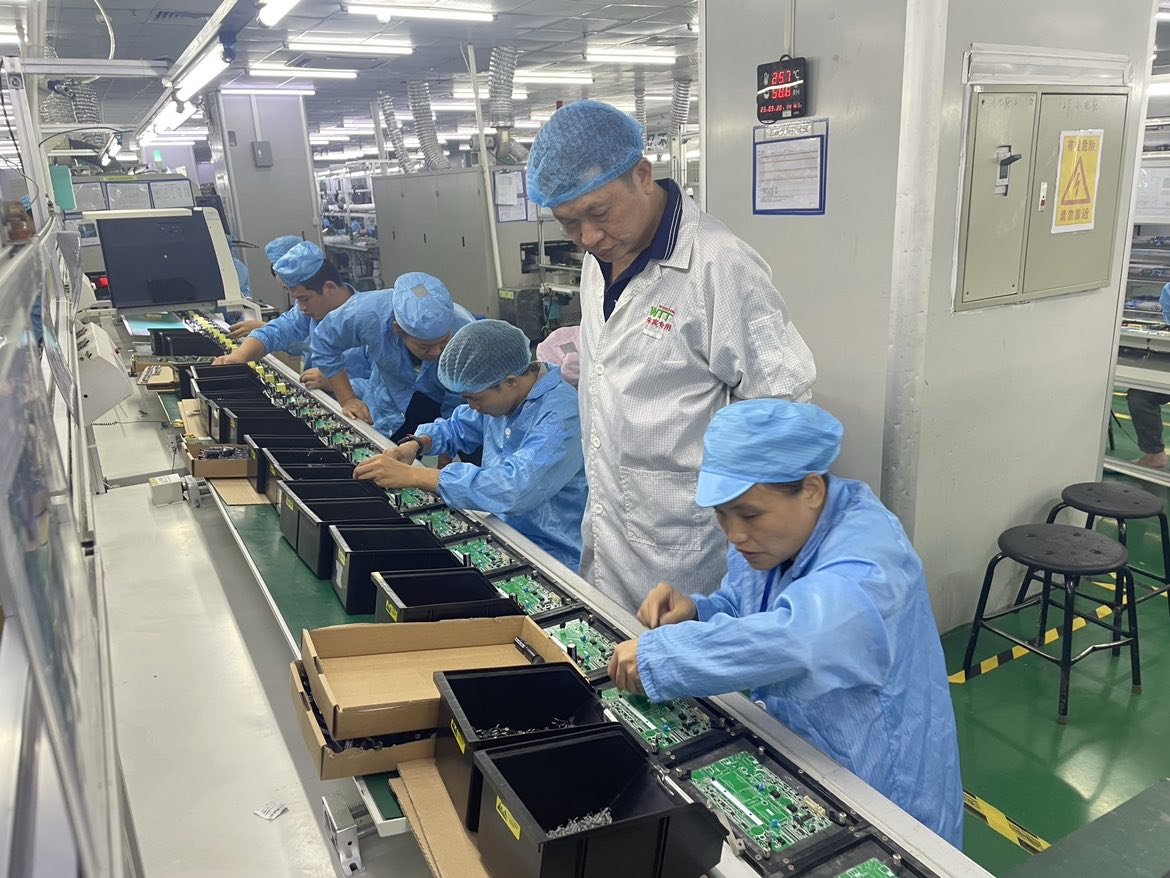
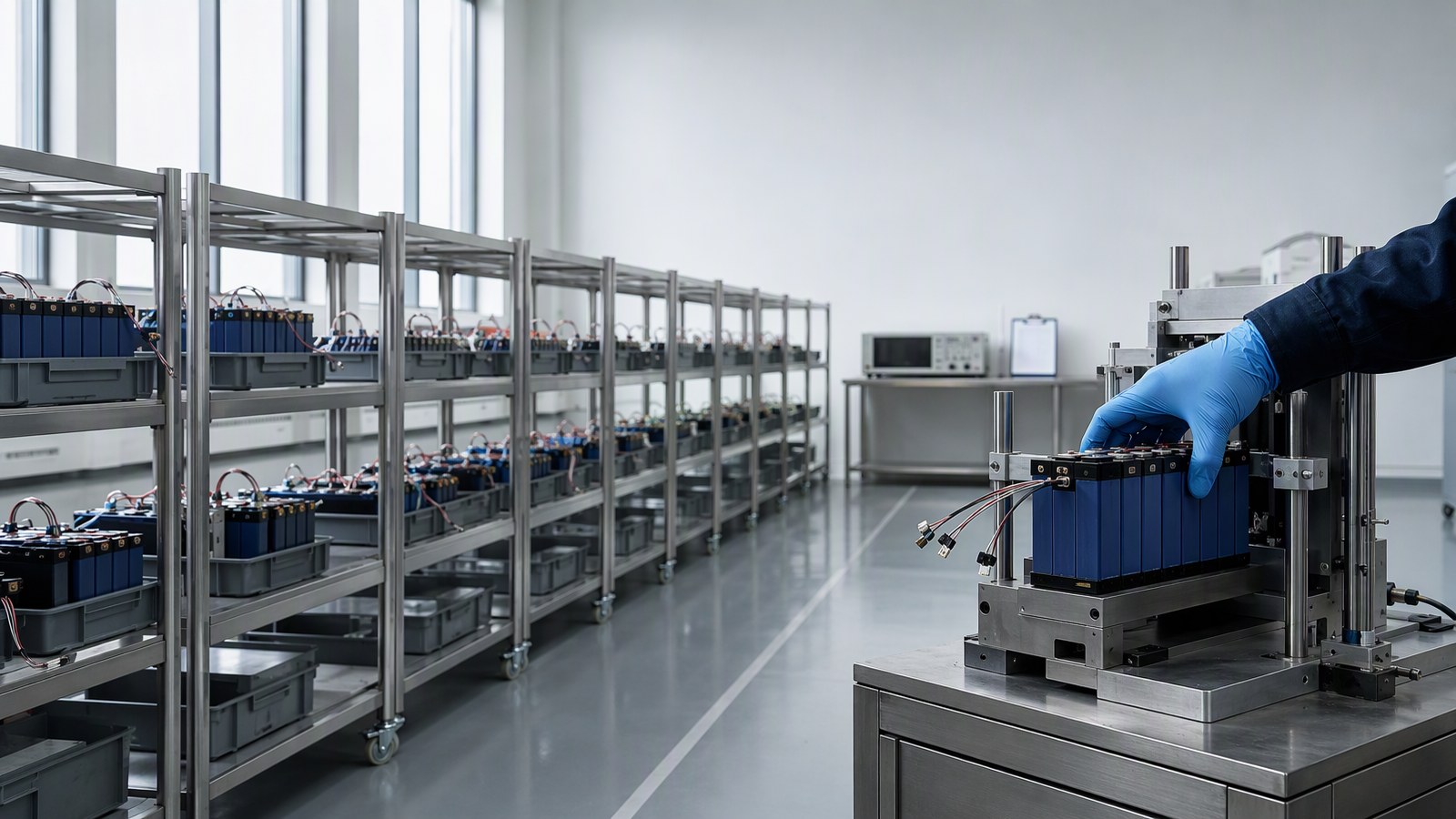
Ask which core parts are produced in-house: pack assembly, BMS board, inverter board, and the housing or tooling. A trading company can quote a competitive price and still be unable to tell you why a unit failed in the field, because that answer lives with whoever actually built it.
A short live video call through the SMT line and the pack assembly area tells you more than a photo gallery. Ask to see the aging or burn-in station. A factory that tests every unit before packing will have one running during your call.
Who owns the BMS and the firmware
The BMS decides when the pack stops charging, when it disconnects, and how it behaves at temperature extremes. If it is developed in-house, the supplier can adjust protection thresholds for your market and diagnose a return from logged data. If it is a bought-in board, every change queues behind a third party and the failure history may not be visible at all.
Ask for the BMS specification and the protection set it ships with: over-charge, over-discharge, over-current, short circuit and the temperature cut-offs. A supplier that cannot describe its own thresholds has not designed the board.
The documents to request, and what each one proves
A certificate claim is not evidence. Ask for the document itself, check that the model number on it matches the product you are buying, and note what the document does not cover.
| Document | What it proves | What it does not prove |
| UN38.3 test summary | The battery passed the eight transport tests | That the product is certified for retail sale |
| Cell safety report (IEC 62133 / UL 1642) | The cell itself was tested to a recognised standard | Anything about the assembled pack or the system |
| Product safety report (UL 2743 or IEC 62368-1) | The product was tested as a system for a given market | Compliance with every local rule in every country |
| MSDS | Classification for handling and transport | Performance or lifetime figures |
| BMS specification | The protection thresholds actually configured | That those thresholds suit your use case |
| Cycle-life test data | Capacity retention under stated conditions | That your production batch will match it |
| A failure-analysis report from a real return | How the supplier diagnoses problems | That failures will not happen again |
What actually drives MOQ and lead time
MOQ is usually set by the housing and the pack configuration, not by the cells — which is why two suppliers quoting the same product can land several times apart. Ask what changes at half the quantity, what the tooling costs, and who owns the tooling once the project ends.
Lead time is the sum of cell procurement, SMT, pack assembly, aging test and certification sampling. Ask for each stage separately. A single number hides the stage that will slip, and it is almost never the one you were told about.
Test the sample like a user, not like a buyer
Run the unit at its rated load for an hour and compare the result with the published formula: capacity × 0.85 ÷ load. Check the no-load draw, charge it from a solar input, and note how warm the housing gets. Numbers that do not survive an hour of honest use will not survive a customer review.
Agree the paperwork before the first order
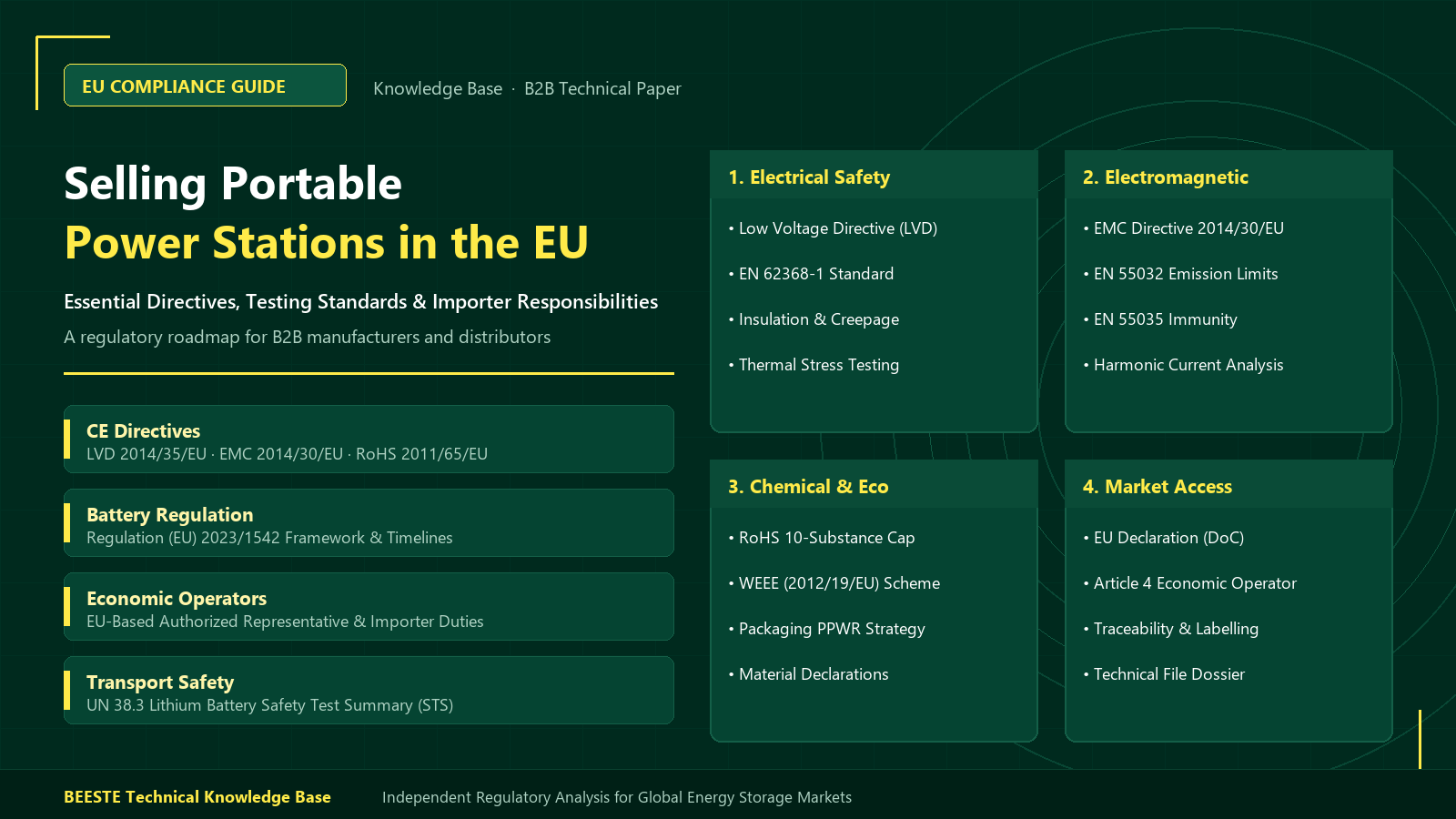
Put the warranty term, the dead-on-arrival policy, the spare-parts ratio and the firmware update path in writing. For EU distribution, confirm who registers as the producer for battery and WEEE obligations; for the US, confirm which safety standard the product is tested to. These are commercial terms, not technical details, and they are far harder to renegotiate once tooling has been paid for.
A six-step sequence that keeps the risk low
Shortlist on documents, video-audit the line, buy one sample in the configuration you intend to sell, test it against the published figures, request a failure-analysis example, then place a pilot order before committing to tooling. Each step is inexpensive on its own and expensive to skip.
FAQ
Is a trading company always the wrong choice?
No. A good trading partner can simplify logistics, documentation and communication. The risk is not the model, it is not knowing which factory stands behind the product — ask for the production site and speak to it directly.
What MOQ should a new brand expect?
It depends on whether you accept the supplier's existing housing and pack configuration or ask for new tooling. Off-tool orders are far smaller than new-tool projects; ask both prices before you design the packaging.
Should a new brand start with LiFePO4 or NMC?
LiFePO4 is the more common choice for stationary and camping use because of its cycle life and thermal behaviour; NMC is lighter for the same energy. Decide from the use case and the transport paperwork, not from the price sheet alone.
How long does it take to verify a supplier?
A document review takes days, a video audit an hour, and a sample test a week. The slow part is usually the buyer's own decision on tooling, not the verification itself.
Send us your target market, the power class you plan to launch with and your estimated first-order volume, and we will confirm which platform, documentation set and tooling path fits.
How to Verify a Portable Power Station Manufacturer Is Reliable: A 12-Point Factory Checklist
Related Article