
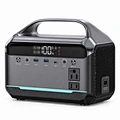
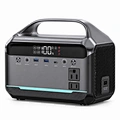

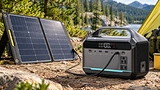
NEO300M 300W Portable Power Station with LED Light
Short answer: the NEO300M is a 300 W portable power station with a 192 Wh LiFePO4 battery, two 110 V AC outlets, 45 W USB-C PD, a 120 W DC output and a four-mode LED light. It charges three ways: 110 V wall outlet, solar through the 60 W MPPT input, or 12 V / 10 A car charging. The AC output is a pure sine wave, so sensitive electronics, motor-driven tools and precision instruments run normally.
Part of the NEO Series portable power stations.
What it is built for
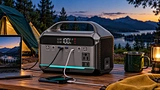
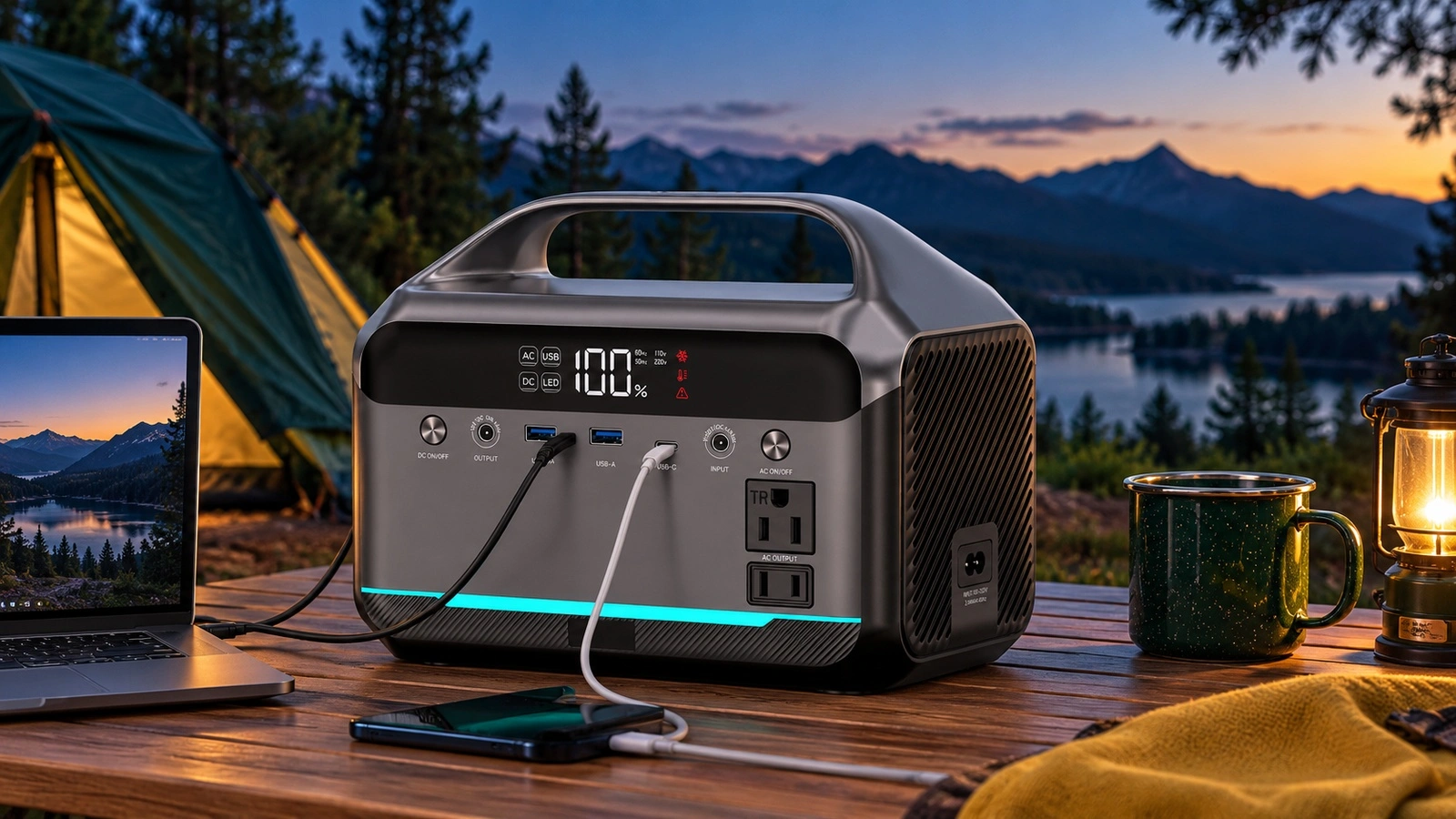
Built for camping, van travel, remote work and short outage backup. Four figures define it:
300 W
Rated AC output, 110 V / 60 Hz, two outlets
192 Wh
LiFePO4, 3,000 cycles to 80% remaining capacity
45 W
USB-C PD 3.0, with two 18 W USB-A QC 3.0 ports
2.8 kg
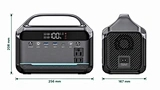
256 × 167 × 208 mm, IP21
Carryable, and quiet under light load
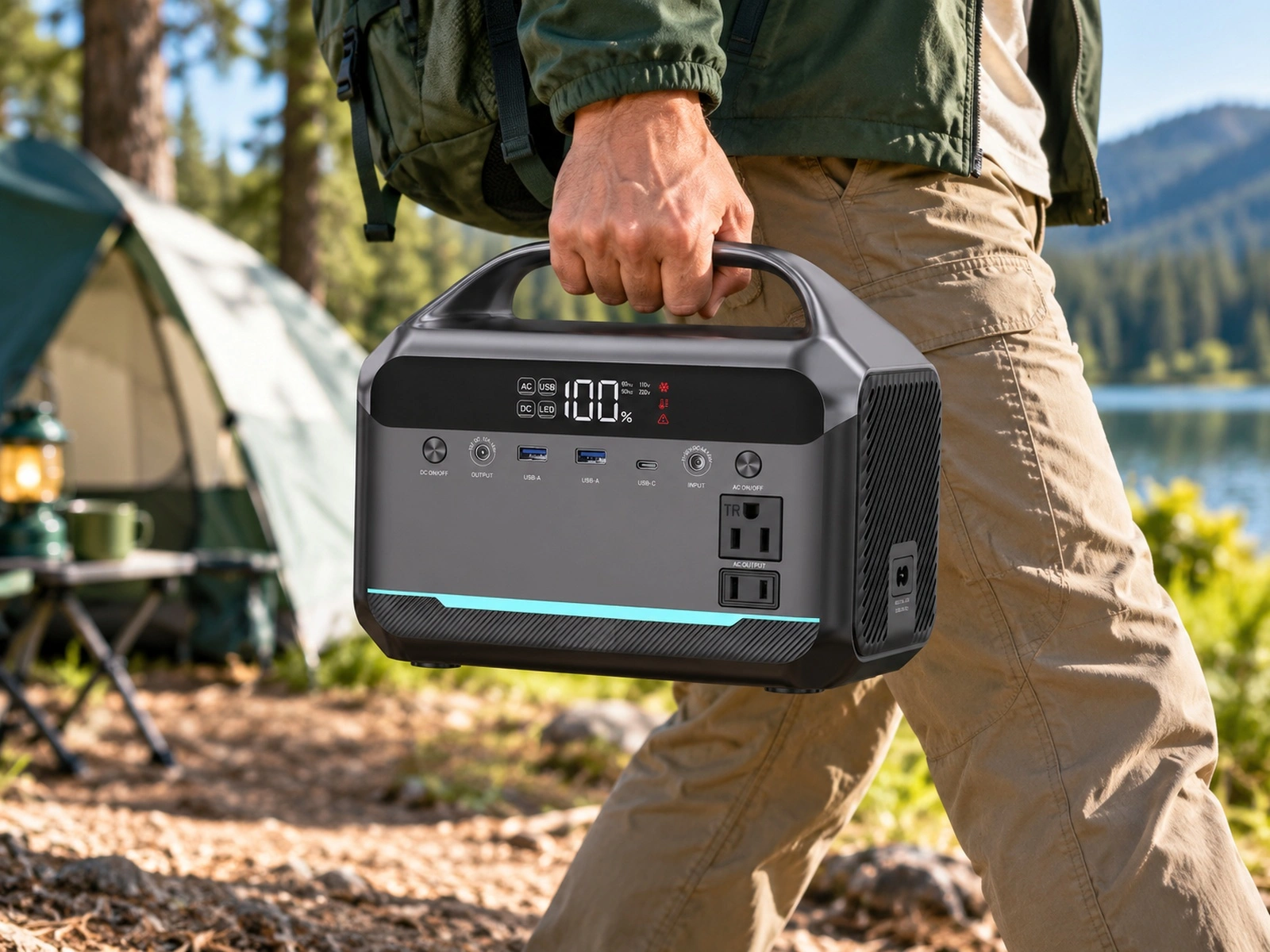
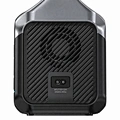
The fan runs in three steps above 80 W, 150 W and 250 W of combined power, so light loads stay quiet (≤50 dB).
300 W AC output on a pure sine wave
Two 110 V outlets deliver 300 W continuously, with over-power protection at 330–370 W beyond 10 seconds. Inverter efficiency is ≥85% at full load; no-load draw under 13 W.
The output is a pure sine wave — the waveform sensitive loads need. Laptops, audio and video equipment, variable-speed motors, pumps and precision instruments run normally, without the humming and derating that a non-sine output can produce. A sustained short of 5–10 seconds locks the unit until restarted.
One panel, one screen
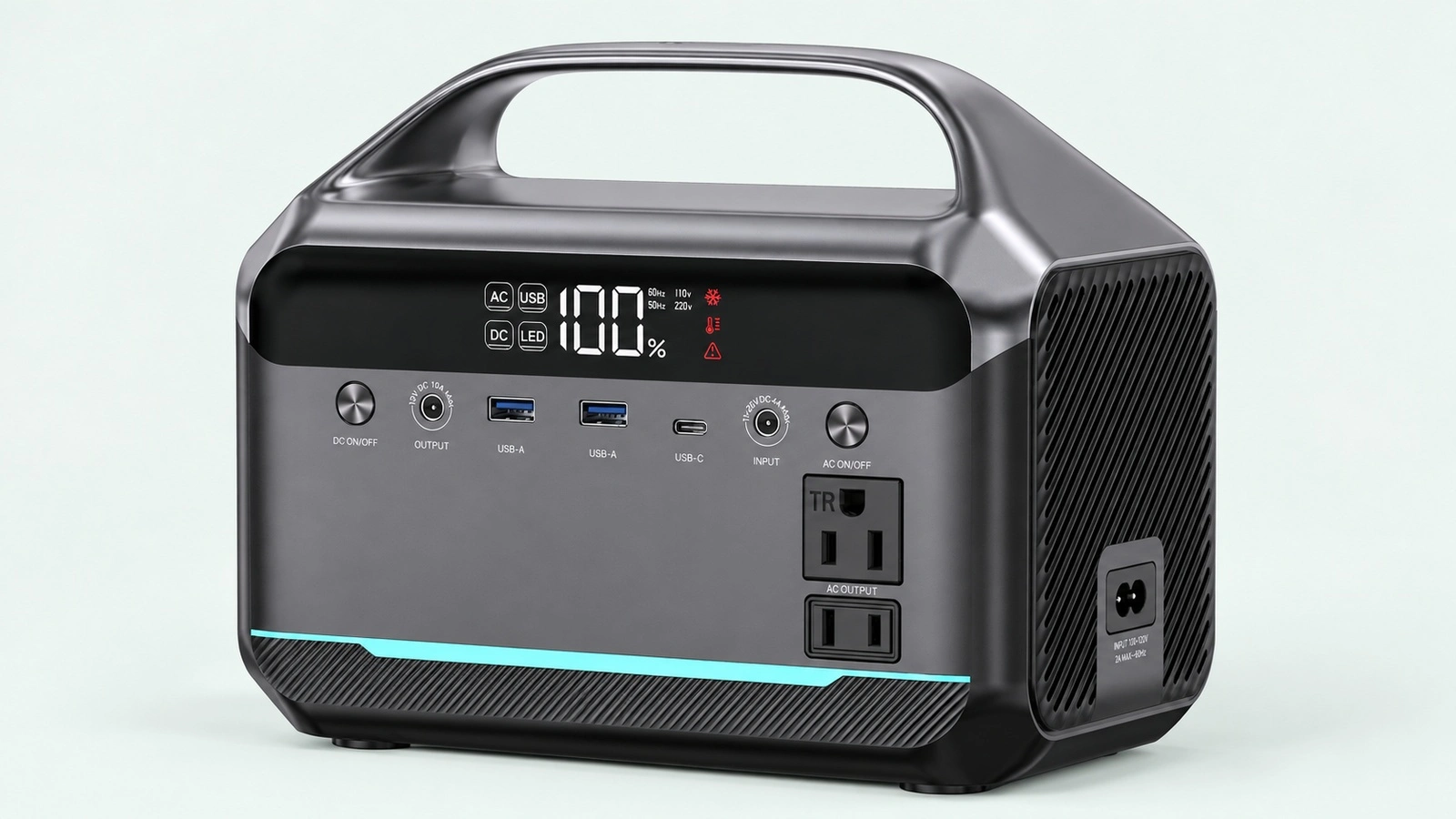
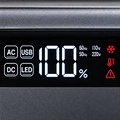
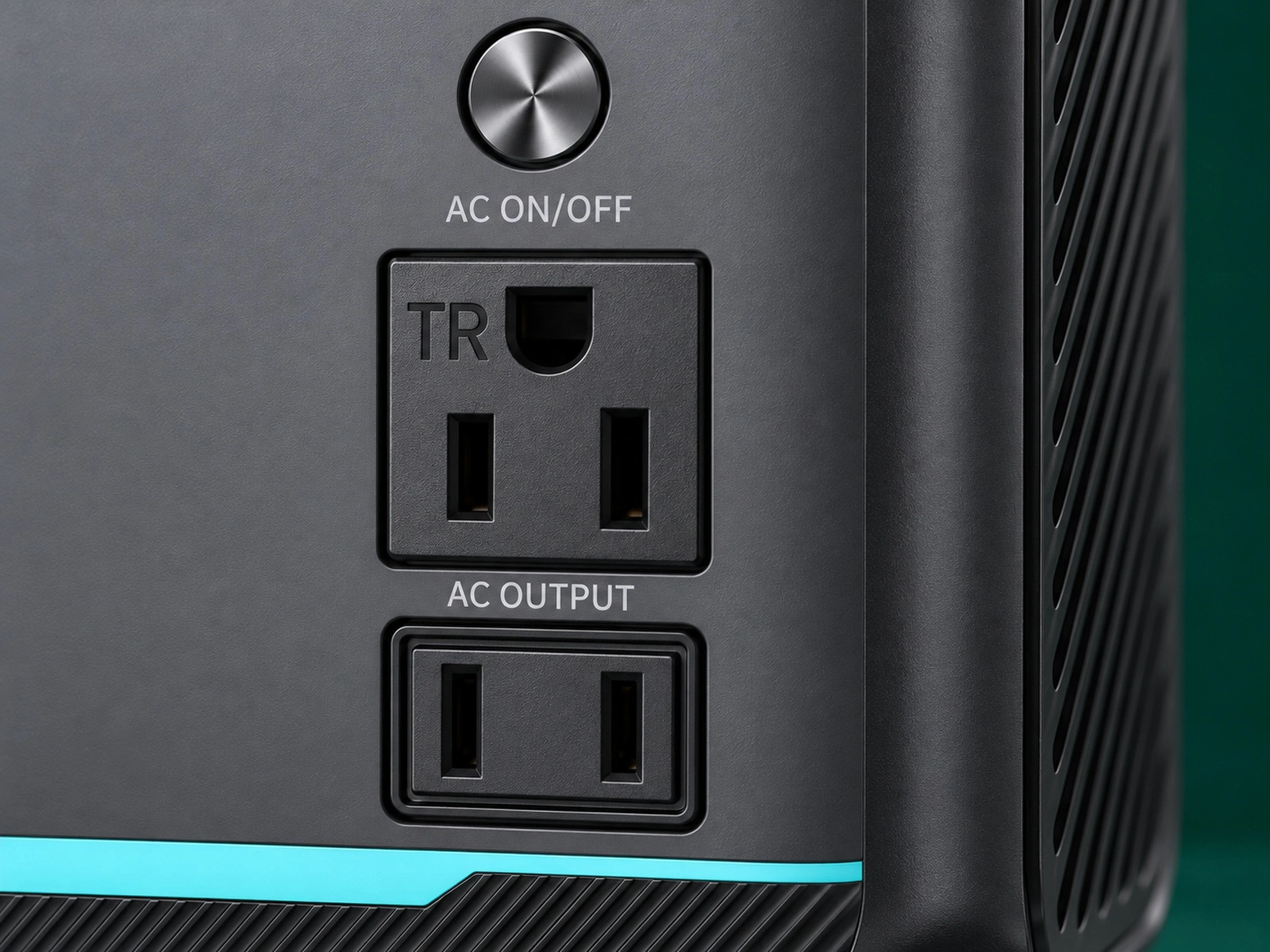
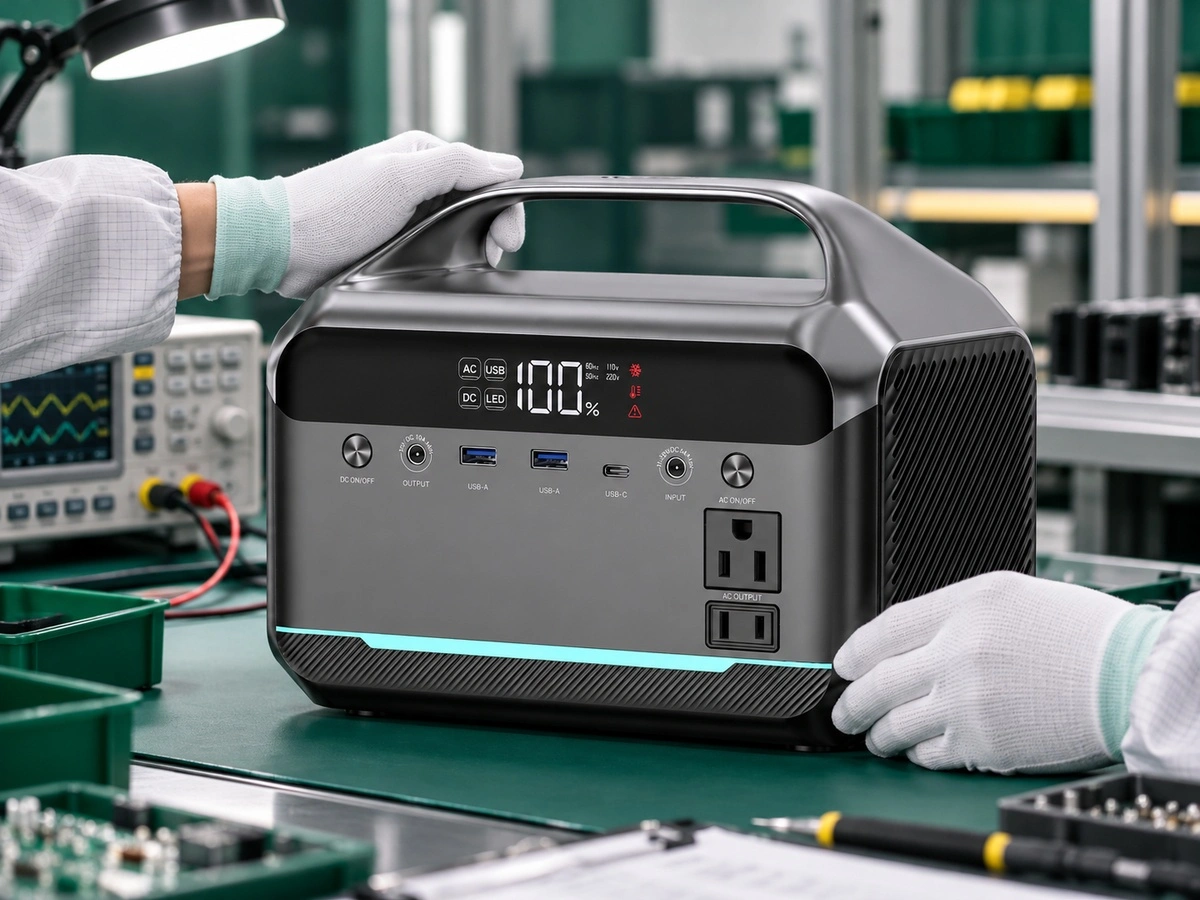
DC, AC and LED switches sit beside the segment screen. Sleep mode toggles with the AC and LED switches together.
USB charging group
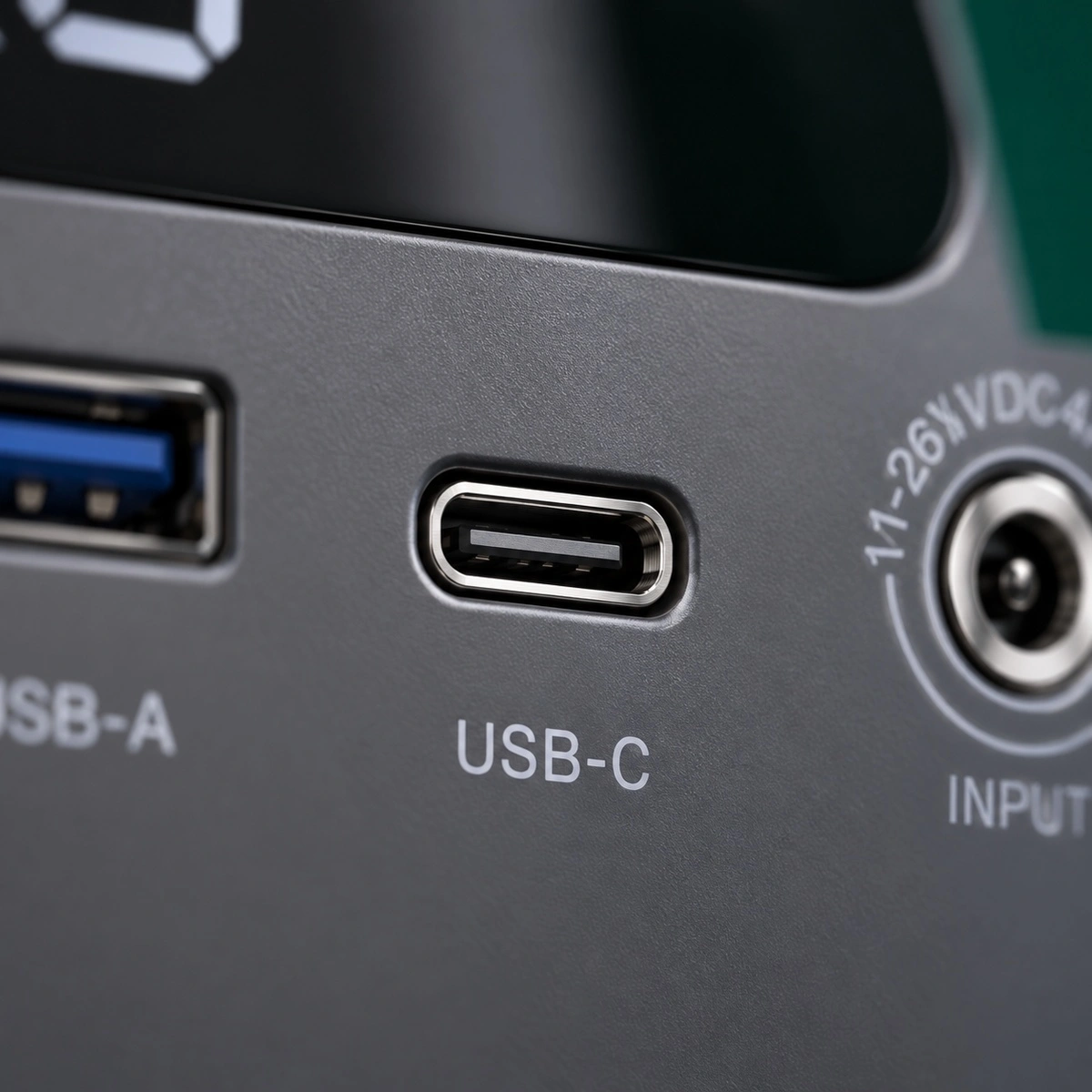
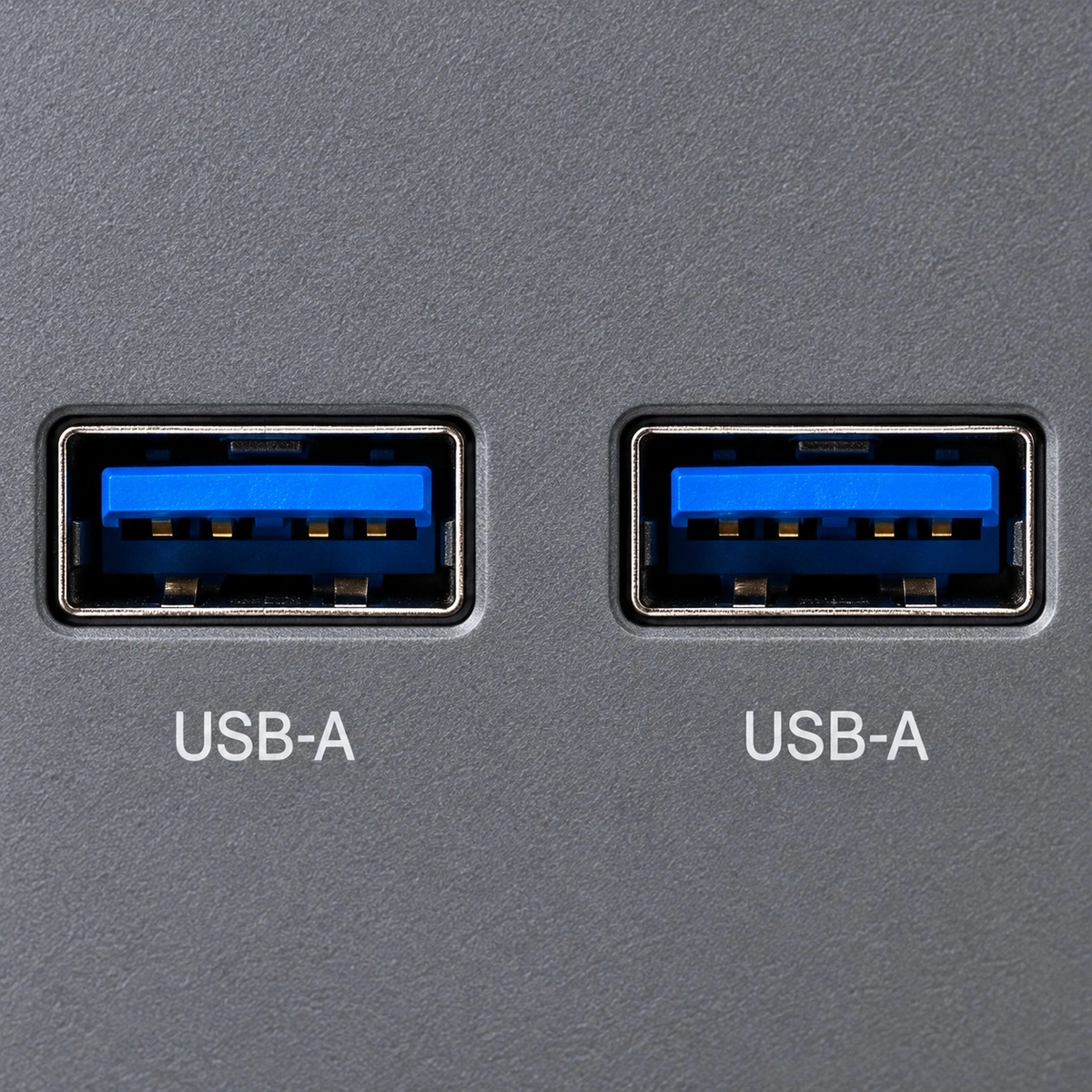
Two USB-A ports at 18 W max (QC 3.0) and one USB-C at 45 W max (PD 3.0) — a laptop and two phones from one unit. Port detail is in the specification table.
12 V DC output, solar and car charging in
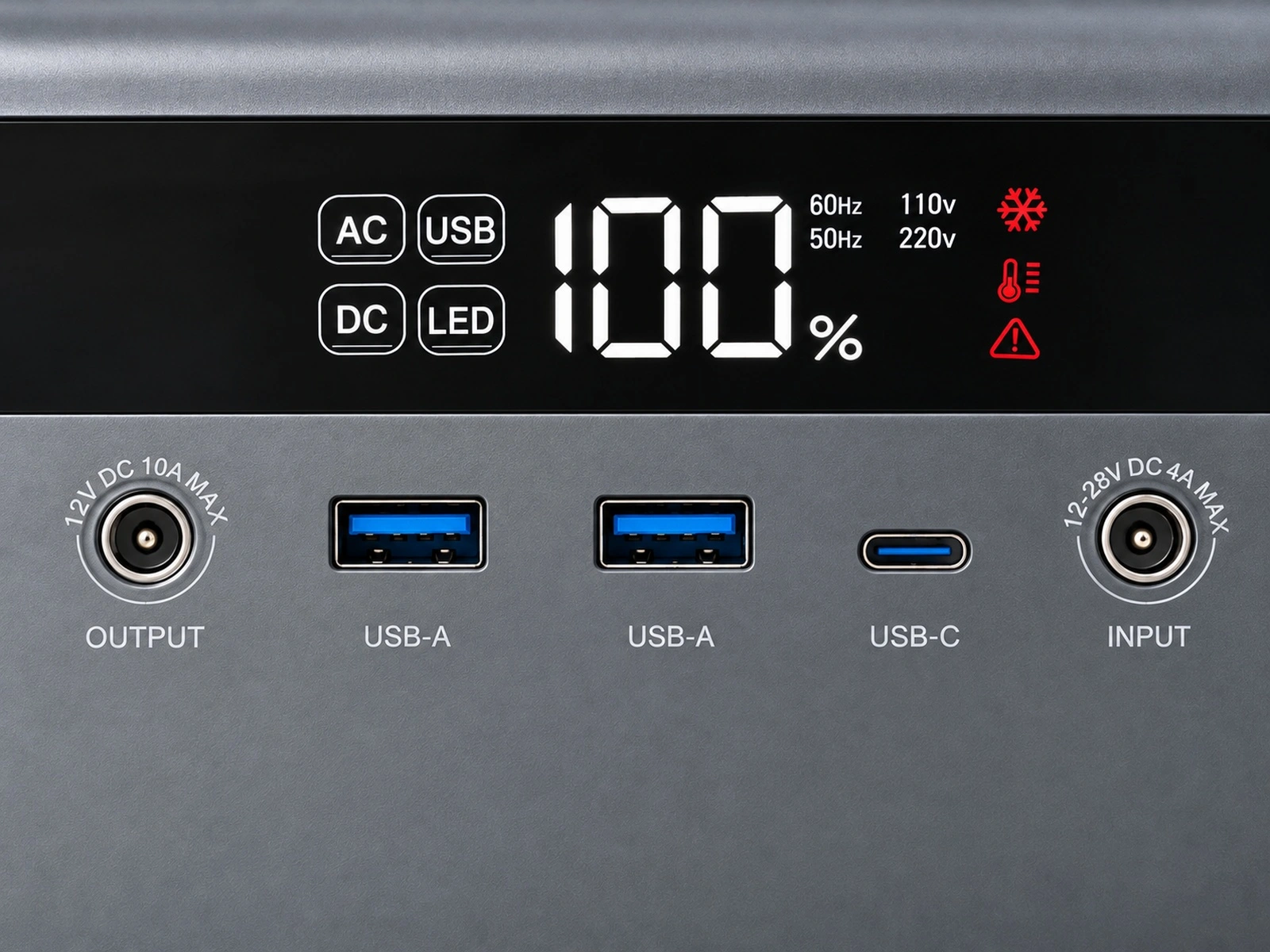
The 12 V DC socket provides 12 V ± 2 V at up to 10 A (120 W max) for 12 V devices. Car charging is supported through the 12 V DC input (12 V / 10 A), and the MPPT input takes 10–26 V from a solar panel at up to 60 W — pair it with a folding solar panel for off-grid use.
Three ways to charge
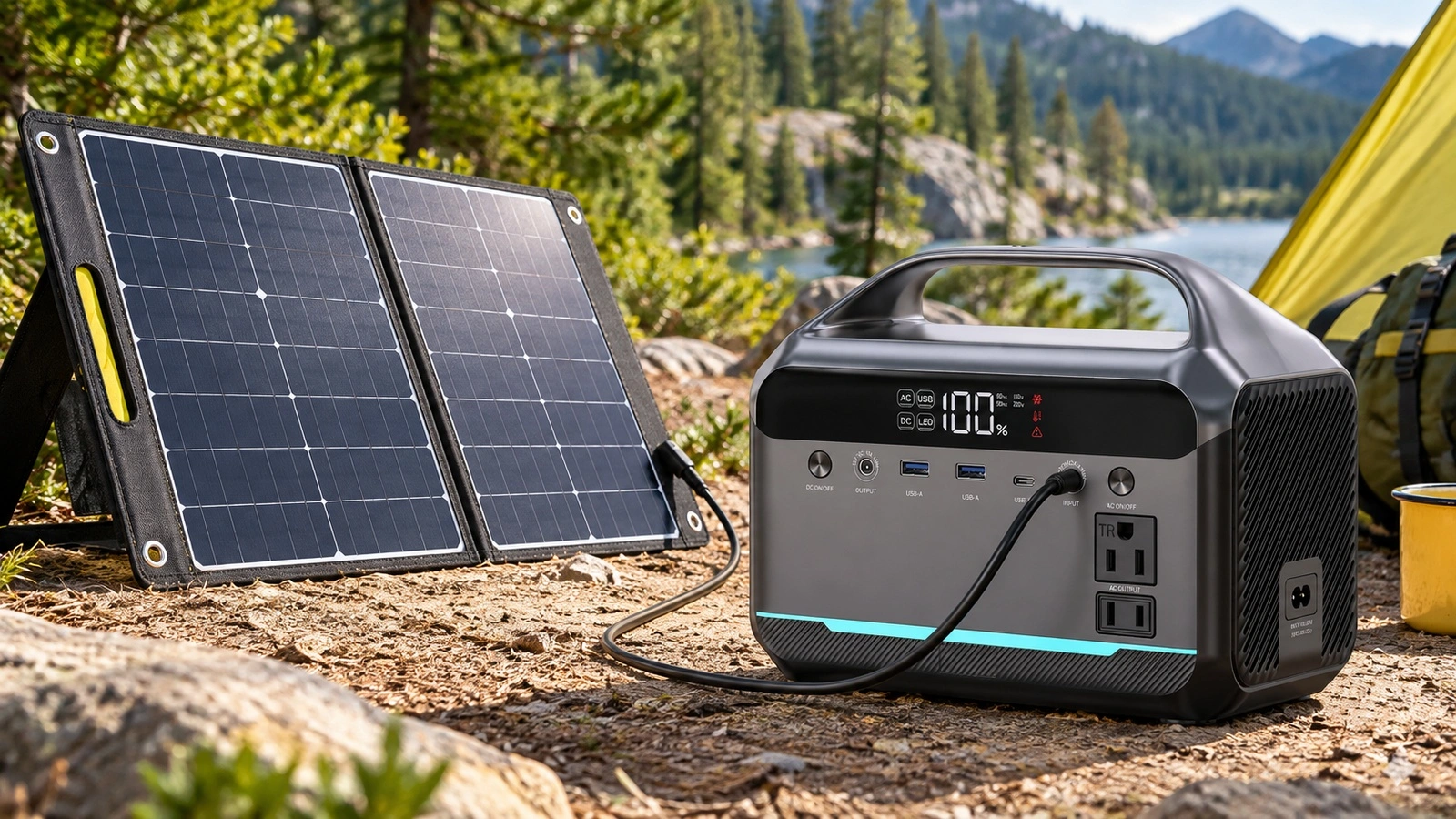
AC wall charging, solar through MPPT, and 12 V car charging.
| Method | Input | Charging |
| AC wall charging | 110 V AC (90–120 V), 2.5 A max, 50/60 Hz | 4.5 A charge current; ≥80% efficiency; ≈3.5 h recharge (calculated) |
| Solar (MPPT) | 10–26 V DC | 60 W max; ≥90% efficiency; ≈3.5 h recharge (calculated) |
| Car charging | 12 V, 10 A | Same charger limit as AC; ≈3.5 h recharge (calculated) |
Recharge time is calculated at about 3.5 h for all three inputs. They charge at about the same rate: the AC and 12 V car inputs share the same 4.5 A charger limit (≈58 W), and the solar input is capped at 60 W, so no input is dramatically faster than another.
Runtime uses the formula applied across our range: capacity (Wh) × 0.85 ÷ load (W) — a 60 W load about 2.7 hours, a 100 W load about 1.6 hours (calculated).
UPS is available as a customizable option under OEM/ODM programmes; the standard build does not include UPS.
Four-mode LED light and segment screen
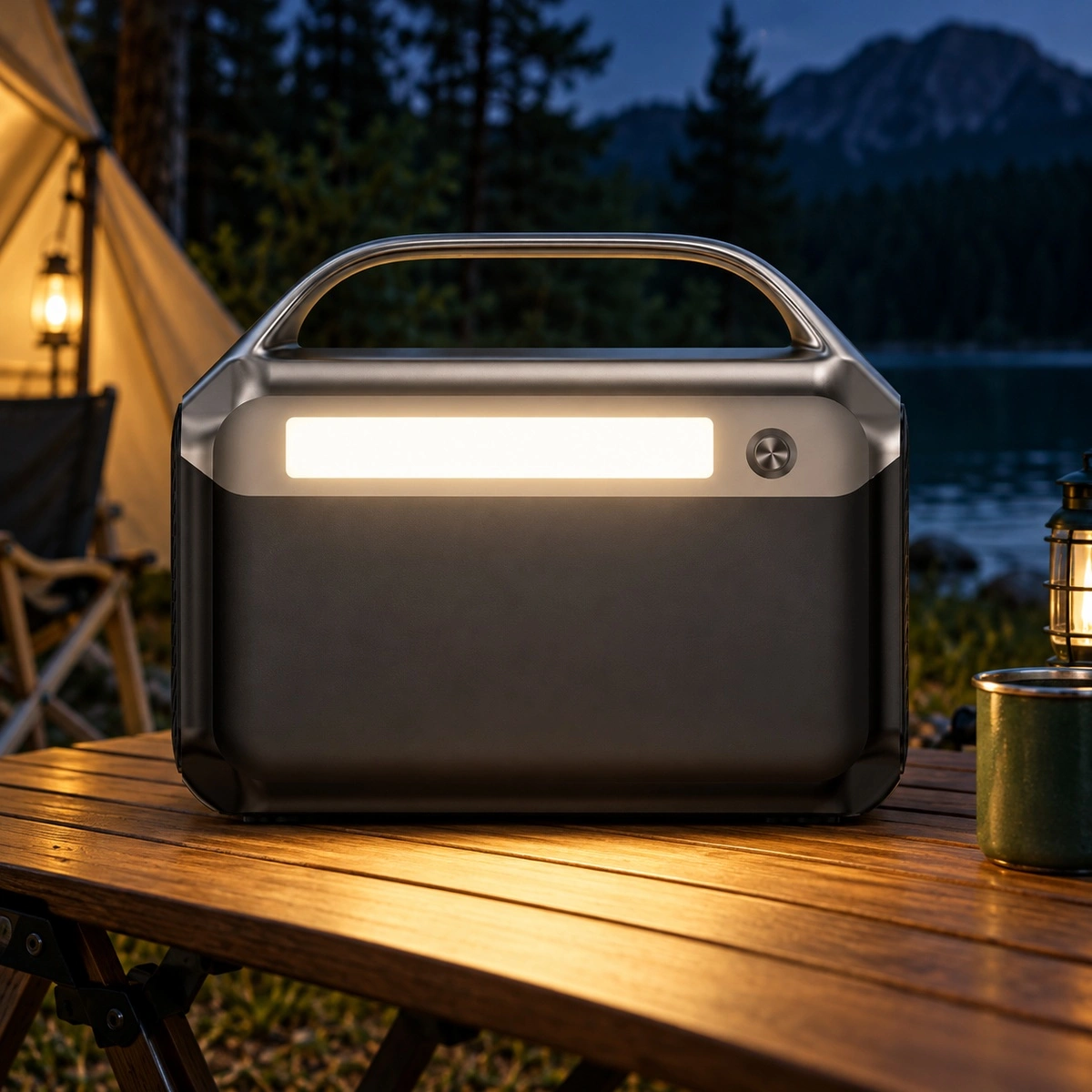
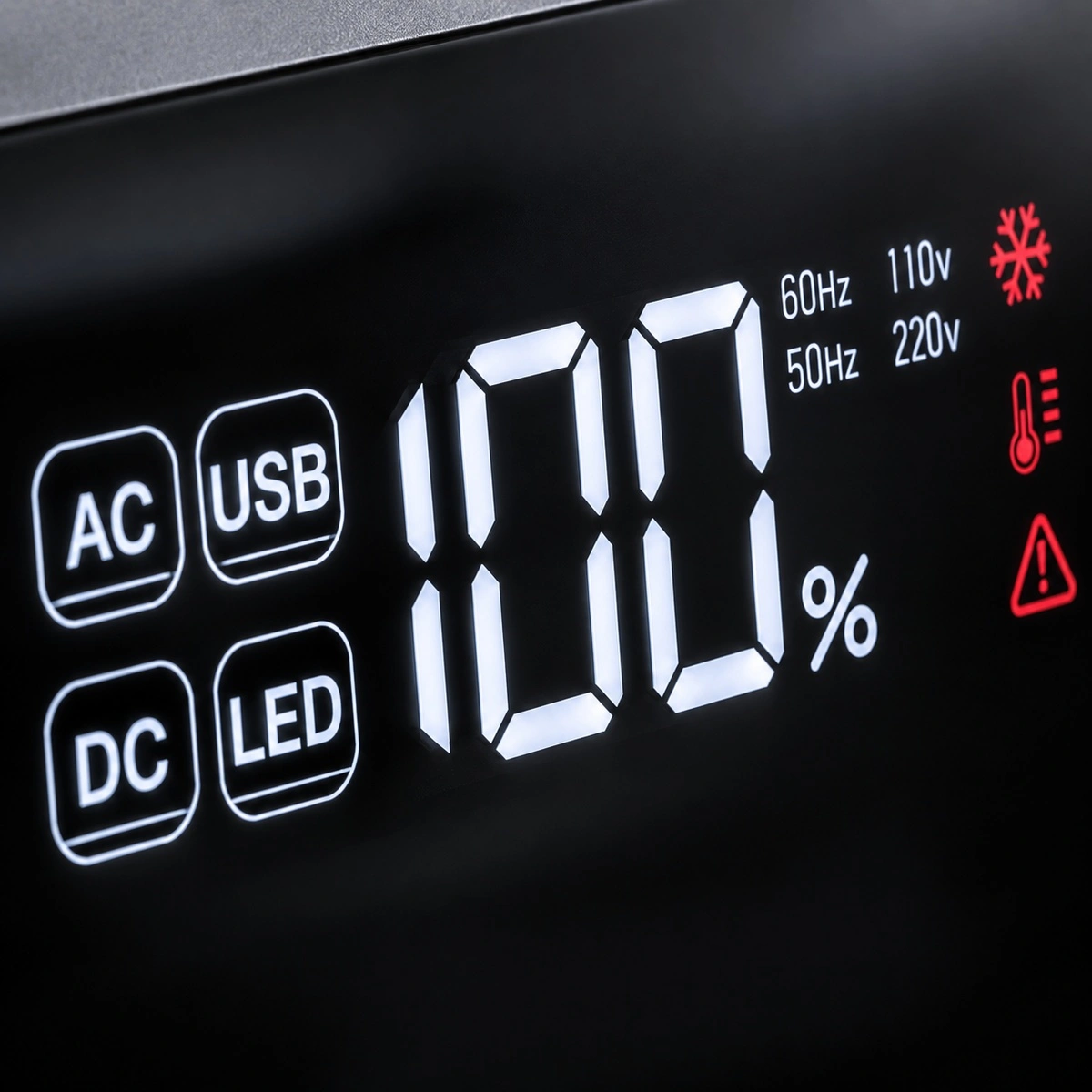
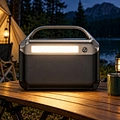
A 3 W LED runs in four modes — steady, medium, strobe and SOS — switched by a long press.
Specifications
| Battery | |
| Cell type and configuration | LiFePO4 32135-15Ah, 1P4S |
| Pack voltage / capacity / energy | 12.8 V (11.2–14.6 V) / 15 Ah / 192 Wh |
| Cycle life | 3,000 cycles to 80% remaining capacity (80% DOD, 25 °C, 0.5C) |
| BMS protection | Overcharge 3.65 V; over-discharge 2.8 V; thermal cut-offs 55 / 0 / 60 / −10 °C |
| AC output | |
| Rated power | 300 W |
| Voltage and frequency | 110 V AC (100–120 V), 60 Hz ± 5 Hz |
| Output waveform | Pure sine wave |
| Overpower protection | 330–370 W, held beyond 10 s |
| Peak power | Not published; overload is handled by the over-power protection window above |
| Inverter efficiency / no-load | ≥85% at full load / under 13 W |
| Outlets | 2 × 110 V AC (TR type) |
| DC and USB | |
| USB-A ×2 | 18 W max (QC 3.0: 5 V/3 A, 9 V/2 A, 12 V/1.5 A) |
| USB-C ×1 | 45 W max (PD 3.0: 5 V/3 A, 9 V/3 A, 12 V/3 A, 15 V/3 A, 20 V/2.25 A) |
| 12 V DC socket (output) | 12 V ± 2 V / 10 A, 120 W max |
| Display | LED segment screen: AC and DC power, charge input power, working times, fault codes, battery status |
| Charging | |
| AC input | 110 V AC (90–120 V), 2.5 A max, 50/60 Hz (47–63 Hz) |
| Solar input (MPPT) | 10–26 V, 60 W max, ≥90% efficiency |
| Car charging input | 12 V, 10 A via the 12 V DC input |
| UPS | Not included in the standard build; customizable as an option under OEM/ODM (switchover under 15 ms where fitted) |
| General | |
| Dimensions / weight | 256 × 167 × 208 mm / 2.8 kg |
| Protection / cooling / noise | IP21; 1 fan, three speed steps; ≤50 dB |
| Operating temperature | Discharge −10 to 45 °C; charge 0 to 45 °C |
| Storage | 12 months −10–20 °C; 3 months −10–40 °C; 1 month −10–60 °C (45–55% SOC) |
| Sleep mode / in the box | AC + LED switch combination; power station, AC charging cable, instruction, warranty card |
| Design reference standards | FCC, UN38.3, UL2743, PSE, SP188, MSDS, METI; charger per PSE, UL, CE; produced RoHS-compatible |
Size and weight
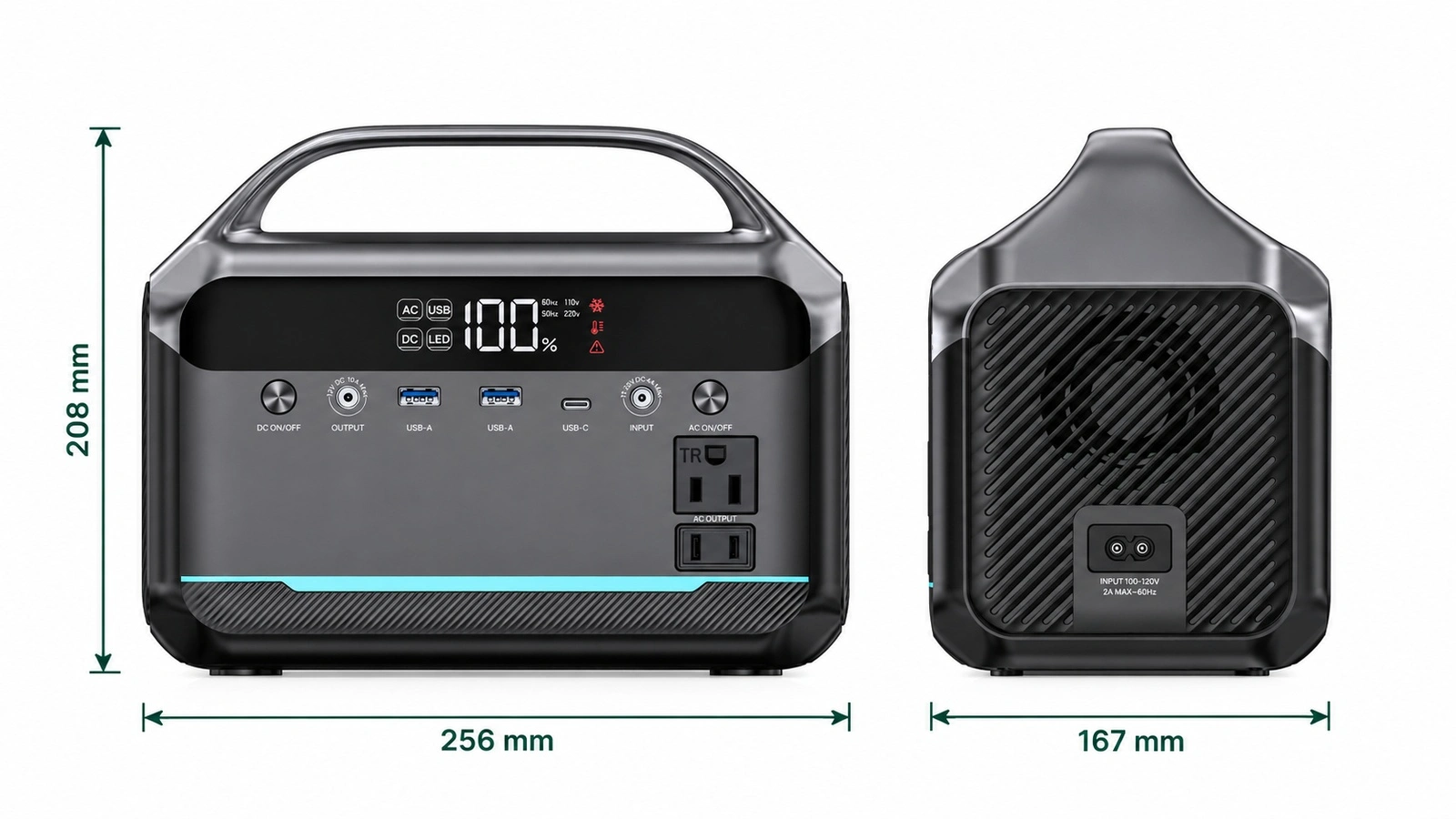
256 × 167 × 208 mm at 2.8 kg, carried by the integrated handle.
Working with BEESTE
BEESTE (Shenzhen BEESTE Technology Co., Ltd.) manufactures LiFePO4 portable power stations for brand owners, distributors and project integrators, with OEM and ODM programmes covering branding, packaging and technical adaptation.
Send your target market and quantity, and we will confirm configuration, documentation and lead time.
FAQ
What can a 300 W power station run?
Lights, fans, laptops, phones, routers, small TVs. Output is 300 W continuous, with overload tolerated to 330–370 W beyond 10 seconds, so high-inrush appliances may still trip protection.
Is the AC output pure sine wave?
Yes. The output is a pure sine wave, so laptops, audio equipment, variable-speed motors, pumps and precision instruments run normally.
Can it be charged from a car?
Yes — 12 V / 10 A car charging is supported, alongside 110 V wall charging and 60 W solar through the MPPT input.
Does it work as a UPS?
The standard build does not include UPS. UPS is available as a customizable option for OEM/ODM projects.
How long do the batteries last?
The pack is rated for 3,000 cycles to 80% remaining capacity (80% DOD, 25 °C, 0.5C).
Related models: STAR 300Z, the compact 300W model, and Cubus300L for job-site use. For higher loads, see the full NEO Series.
Further reading: portable power station compliance guides.